The nine votes
April 30, 2026
Heads up. This entry runs longer than the others. I almost cut it down, then realized the story doesn't work in pieces. Stick with me. It shaped every decision I've made since, and it's the reason I'm approaching Cavara the way I am.
In 2024, I bought my first short-term rental. A single-family home near downtown San Antonio, minutes from the Riverwalk and the Alamodome. Prime location. I was proud of it.
Here's what I didn't know: San Antonio caps short-term rental density at 12.5% of homes per blockface. And here's what I thought was due diligence. I'd searched Airbnb and VRBO for active listings on the block, hadn't found any, and assumed I was in the clear.
I wasn't. Someone already held the permit on my block. I just couldn't see them on the platforms.
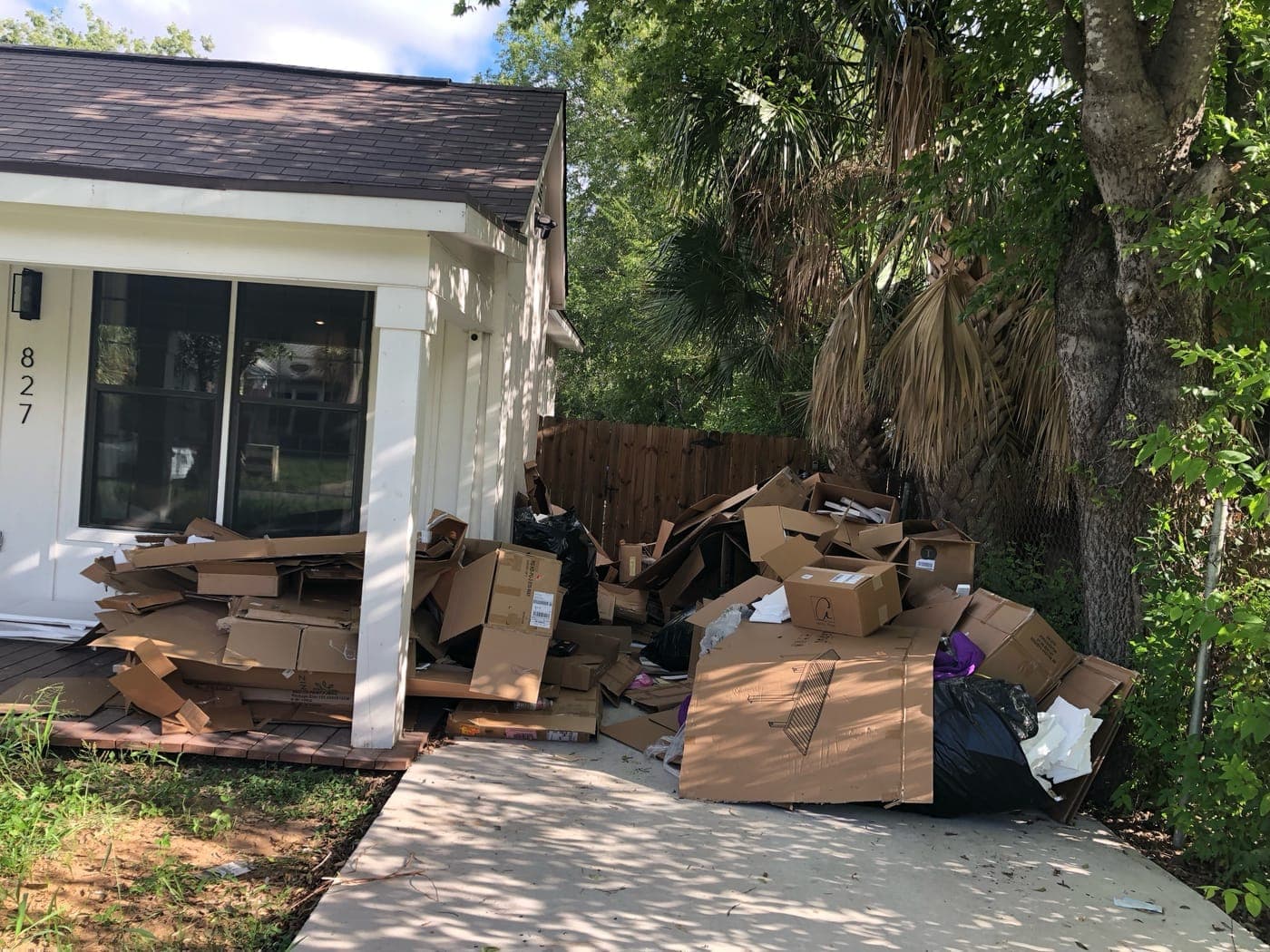
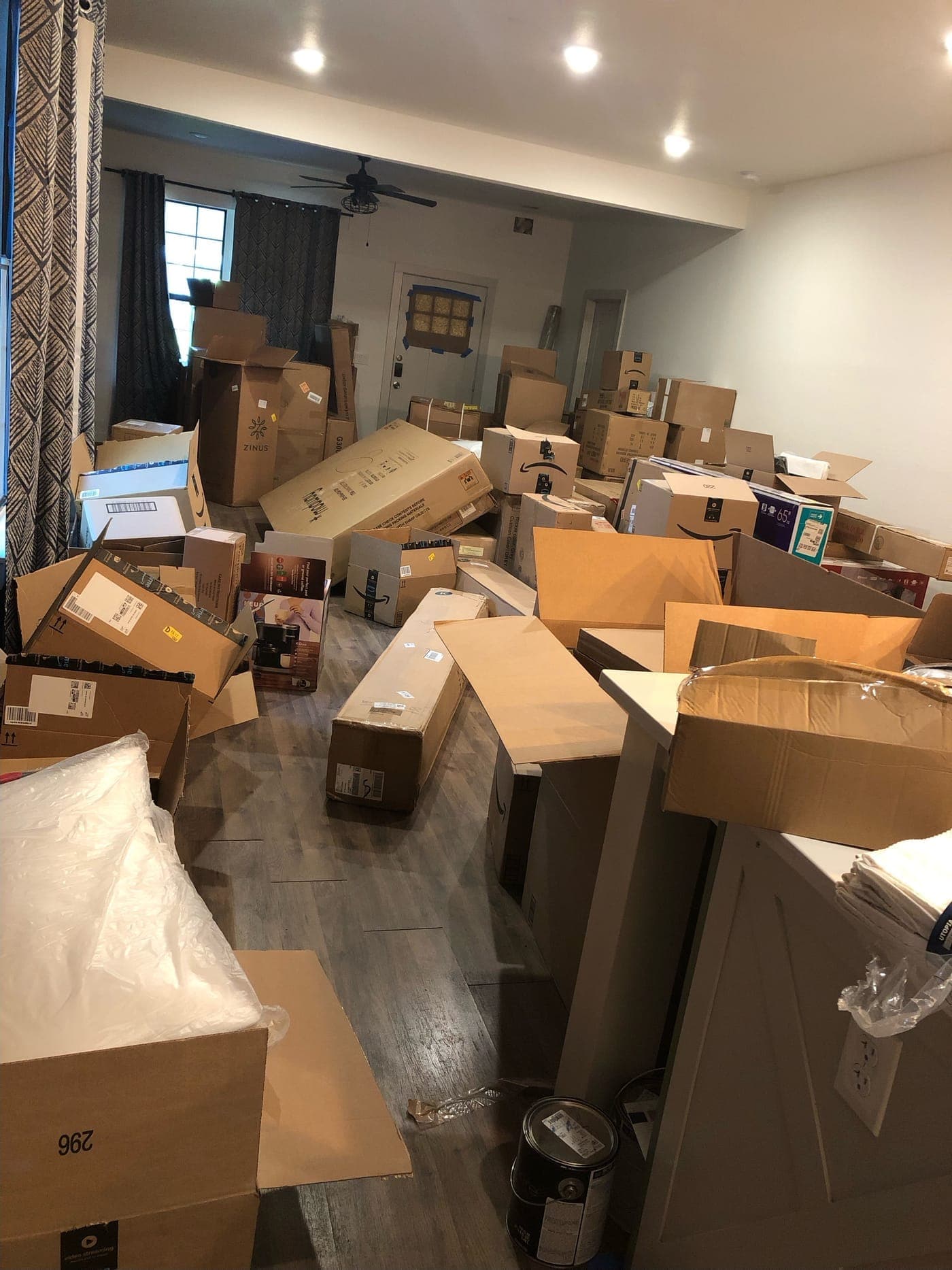
I closed on the house anyway, unaware. The furniture orders went out. We were furnishing an empty home top to bottom. Hundreds of boxes coming in over a few weeks. You could barely walk through the living room.
Three days after I submitted my permit application, the email came back.
Denied.
The house I'd just bought with nearly every dollar I had couldn't legally operate as the business I'd bought it for. I sat in genuine self-pity for about a day and a half. I really thought my hospitality journey was over before it started.
Then I picked a different direction.
The only path forward was the San Antonio Board of Adjustments. Eleven city-appointed members who could grant exceptions. Meetings ran once a month. Nine yes votes required to pass. The current meeting had just happened, which meant my next window was seven weeks out.
I later learned the board hadn't approved a single STR exception in the past two years.
With all that hanging over me, I made a decision that probably sounds insane in hindsight: I was going to finish setting up the house anyway. On faith. Before I had any idea if the business was legal.
My mom and brother flew down to help. I'd lined up a local contractor team to meet us each morning. Paint, wallpaper, a cement pad in the backyard, general setup. They'd been solid in the pre-work. They were scheduled to arrive Monday at 8 AM.
They showed up at noon. Four hours late. Left at 4 to pick up supplies for another job. Never came back that day.
Tuesday, they didn't show up at all.
Wednesday, they rolled in at 10 AM, wouldn't tell me where they'd been, and I didn't have the time to make it an argument. I just needed them working.
From Monday through Thursday we pulled 20-hour days. Somewhere around hour 18 on day three, I was standing in that living room surrounded by half-unpacked boxes thinking: what am I doing? Is this even worth it?
Photography was Thursday afternoon.
While the photographer was shooting the interior, I was in the driveway hauling empty boxes out and hanging string lights in the backyard. My mom and sister-in-law were inside, pouring champagne, plating a charcuterie board, making beds as the photographer moved from room to room.
It was the classic HGTV ending. The family arrives as you're hammering in the last nail. That was us, with twenty minutes to spare.
The photos came back beautiful. The house was beautiful.
And I still had no idea if I'd ever be allowed to rent it.
I turned everything I had onto the hearing.
Every Board of Adjustments meeting in San Antonio is public record, so I watched hours of past meetings. I studied each of the 11 members. Their questions, their patterns, their concerns, how each of them voted on prior cases. Two of them almost never voted yes, no matter the case. I wrote those two off and aimed the presentation at the other nine.
(Imagine what my high school GPA could've looked like if I'd applied myself like this.)
I also worked the neighborhood angle. The house sat inside a neighborhood association, and I knew their backing would carry real weight. Weeks of calls and follow-up emails before I finally got a meeting. I Zoomed in, presented my case, answered their questions, and a few days later, they came back with a unanimous yes in support of the exception.
Good news. Not a guarantee.
I also did something I'm grateful I did: I walked the block and knocked on every neighbor's door. That's how I found out the existing permit holder was a landlord who had never actually operated the house as an STR. He'd bought the permit when the cap was less tight, held onto it, and a year later had just signed a fresh 12-month lease with long-term tenants.
He was holding a permit he had no intent to use, on a house he was now renting a different way entirely.
I brought all of it to the first hearing.
The day of the first hearing, I booked a 6 AM flight in and a 3 PM flight out. Quick day trip. I wasn't going to send a representative. I'd come too far not to be in the room.
The hearing room itself is exactly what you'd expect. Outdated fluorescents. DMV meets courtroom TV. Sixteen cases on the docket. A full gallery.
I presented. The board started asking questions.
Then something I didn't see coming happened. Mid-hearing, they asked their STR department to pull the existing permit holder's records live. He was eight months delinquent on his monthly STR tax filings. (Even with zero revenue, the city requires monthly reporting. He hadn't filed.)
Live, in front of the board, my case got meaningfully stronger.
Then the chair tabled the vote. They wanted thirty days to investigate the other permit before ruling on mine.
Not what I expected. I'd flown in to walk out with an answer. I walked out with another thirty days of limbo instead.
Five days before the rescheduled hearing, I got the update.
The city had reached the existing permit holder. He'd been notified. He'd brought himself into compliance.
The entire reason the board had paused my case. Erased.
The morning of the second hearing, my 3:30 AM alarm went off for the flight. I had to use every ounce of strength to get out of bed. I remember genuinely asking myself: do I really want to wake up at 3:30 to fly back to that room just to be told no?
I went.
At the second hearing, only 10 of the 11 board members were physically present. You need 11 to proceed. The eleventh had car trouble.
The meeting delayed an hour while they tracked him down. He ended up joining by Zoom.
(He could Zoom in. I wasn't allowed to.)
I re-presented. Questions. Then the vote.
They went through the 10 in the room first. I had 8 yes, 2 no. The two nos I'd long ago written off.
One vote left. The member on Zoom unmuted.
"I abstain."
The room went silent. Nobody understood why. Turns out he'd been having audio issues the entire meeting and hadn't actually heard my presentation.
Before anyone could respond, one of the two no-voters saw his opening and moved to finalize the vote right there. 8 to 2. One short of what I needed. He only needed someone to second the motion, and I could hear him whispering across the dais, actively recruiting.
The chair paused the room. The board went into a side meeting to decide procedure.
They came back with a ruling: the technical issue made proceeding unfair to the applicant. They'd fix the audio and let me re-present.
Twenty-five minutes with IT. Then I presented a third time, just for him. Alone in that room, on the one vote left.
He asked a couple of questions. Thought for a long moment.
"Okay, I've made my decision."
Long pause. Long enough that I thought his audio had dropped again. Someone finally said, "What is it?"
"Yes."
9 to 2.
The first exception the San Antonio Board of Adjustments had granted in over two years.
I thanked them and ran out of there before anyone could change their mind.
Three days later, the permit hit my inbox. I genuinely wanted to frame it.
Two years later, that house is in its second year of operation and it performs well.
But the house isn't really the point of this story.
The point is what San Antonio carved into me.
I now do a legitimately obsessive amount of regulatory work before I take a step forward on any project. Not "I read the code." I mean: I call the city. I call the county. I call the state. I request written confirmation. I document every conversation. If there's a federal layer, I find it and deal with it before anything moves.
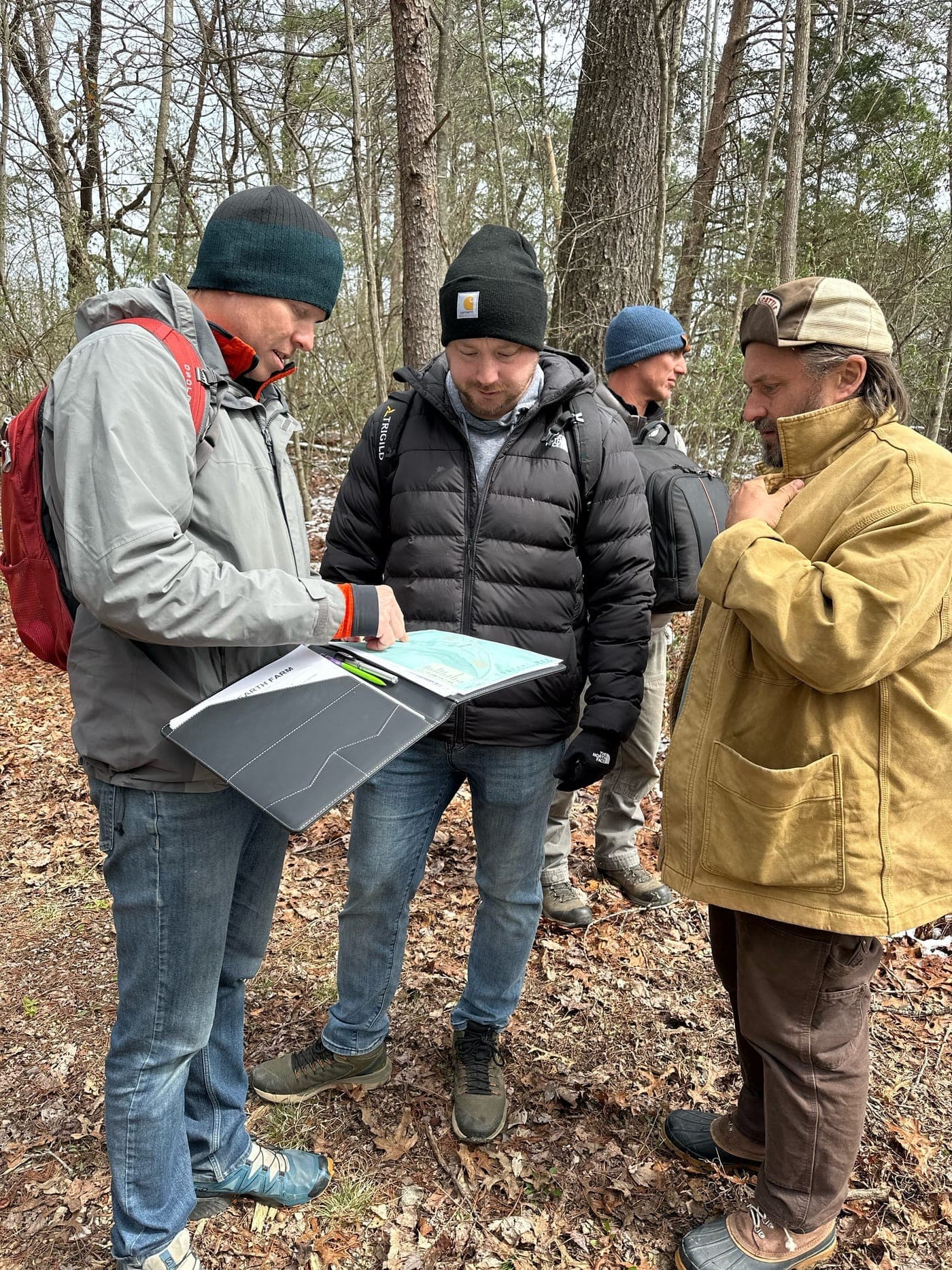
For Cavara, that meant lining up approvals at every level before I moved forward. City, Powell County, the Commonwealth of Kentucky, and the Daniel Boone National Forest office given our proximity to the forest boundary. All of it on paper. Before a shovel goes in the ground.
San Antonio happened right out of the gate, when I was at my most fragile as an operator. The weakest. The least educated.
I made it through.
Now when I hit something hard in this business, I already know what it feels like to stand in a room and have everything ride on the next thirty seconds. That's not a feeling I'd wish on anyone. But it's a feeling I'm grateful I know.
More soon,
Jeremy
Get the next letter when it is written. Join the newsletter.